
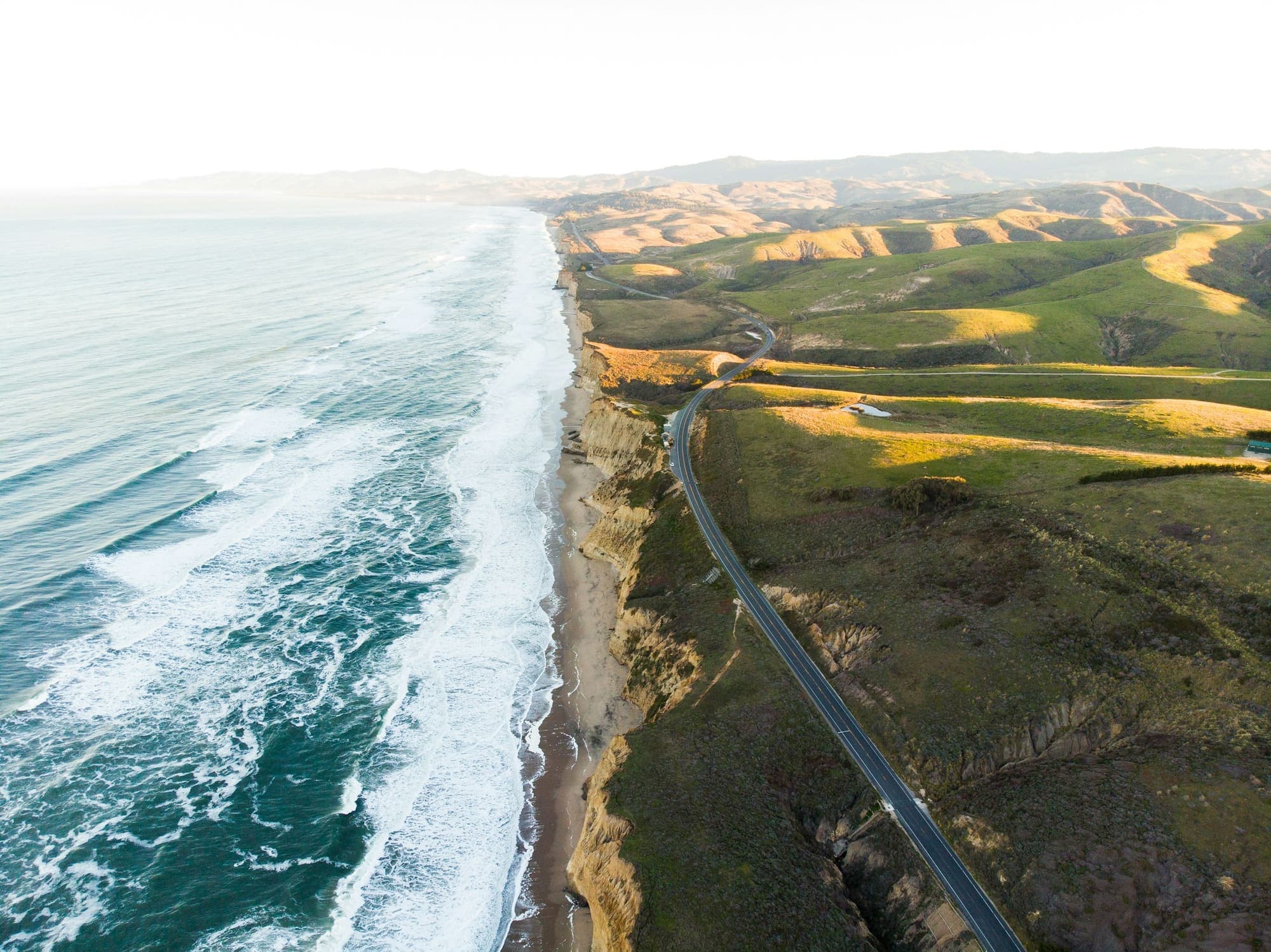
Why Ventura County remains the quiet alternative to Santa Barbara
Spread compression, off-market velocity, and three submarkets to watch through the second half of the year.
Ten years ago, the spread between Santa Barbara and Ventura County was wide enough that the conversation was easy. A similar parcel — same square footage, same vintage, same mile from the beach — closed in Santa Barbara at 1.5x to 2x the Ventura number, and most of my buyers picked sides on the first call. Today the spread is tighter, the buyer pool is more fluid, and the conversation has changed. Ventura County has become the quiet alternative for people who used to think they had to be in Santa Barbara to have what they wanted.
This is a market note, not a sales pitch. Ventura is not "the next Santa Barbara." The submarkets are different in real ways: different schools, different climate corridors, different commercial cores, different amounts of time you'll spend on the 101. The point is just that the price-to-quality math has tightened to where the comparison is now worth running honestly.
What's actually happened to the spread
Three things have moved at once. The Santa Barbara floor has held: Montecito and Hope Ranch don't really discount in this kind of cycle, and the inventory for entry into either submarket above $4M has stayed thin. The Ventura ceiling has lifted: Pierpont, the Ojai East End, and parts of Hillside Ventura are routinely trading above $2M now, and the local buyer pool quietly absorbs that. And the buyer-pool composition has shifted: more remote-work executives, more relocators from West LA, more people who can work from anywhere and want a coast that hasn't priced past a normal life.
Net effect: a buyer evaluating "$3M house, twenty minutes to the beach, with a yard" is genuinely choosing between Carpinteria and East Ventura now. Five years ago that wasn't a real comparison.
Off-market velocity, plainly
A meaningful share of Ventura County trades happens before MLS appearance: owner-to-known-buyer, agent-to-agent, family transitions. This is true in most coastal California markets and especially true here. Two implications worth being honest about:
First, the publicly searchable inventory understates the actual market. Whatever Zillow or Redfin shows you for active listings in Ventura on any given week, the full set of properties changing hands in a given quarter is meaningfully larger. This isn't a sales-mystery hint about insider access — it's a statistical reality of how legacy markets clear.
Second, properties that publicly list in Ventura tend to clear faster than the regional average for the price tier. Days-on-market for well-priced properties in Pierpont and Downtown Ventura under $2.5M has been running in the teens. That's not a market under stress. That's a market where the buyers are paying attention and the inventory is small.
Three submarkets to watch
Downtown Ventura. Inventory below the median has tightened materially. Buyers under $1.5M who want walkable, transit-accessible, mixed-historic-stock are competing on a small pool. The Cabrillo and Front Street zones have seen multiple-offer activity for the past six months on properly-priced product. The pricing tension is real but the negotiation posture is still rational.
Ojai East End. Trading on provenance, not comps, as it always has. The 2026 inventory question isn't "what's the median," it's "is there an East End property with the kind of land you actually want." The answer most months has been no. That's not a price problem; that's a supply problem, and supply tends to widen, not narrow, when boomer-era owners begin to transition.
Camarillo Heights multifamily. Cap-rate math has improved meaningfully in the last 18 months as the rate environment shifted. Well-located four-to-eight-unit buildings on the Heights side are pencilling in the high 5s where two years ago they were sub-5. For investors who held through the run-up and stepped away when caps compressed below their threshold, this is the moment to reopen the conversation.
What this means for the rest of the year
I am not predicting prices. I'm predicting attention. The Ventura submarkets that have been undervalued relative to Santa Barbara on a per-square-foot, per-quality basis are getting more buyer attention, more agent attention, and more national press. That tends to produce a slow re-rate, not a quick one — but it's directional.
For buyers: if you've been waiting for Santa Barbara to come to you, and your needs would be met by Ventura instead, the math has gotten better, not worse. For sellers: the buyer pool you're in front of in 2026 is more national and more rate-sensitive than the one you were in front of in 2021. Pricing reality matters more, presentation budget matters more, and the off-market vs. public-listing decision matters more.
If any of these submarkets are on your map for the next twelve months, this is the version of the conversation I have with clients. The longer version takes a coffee.