
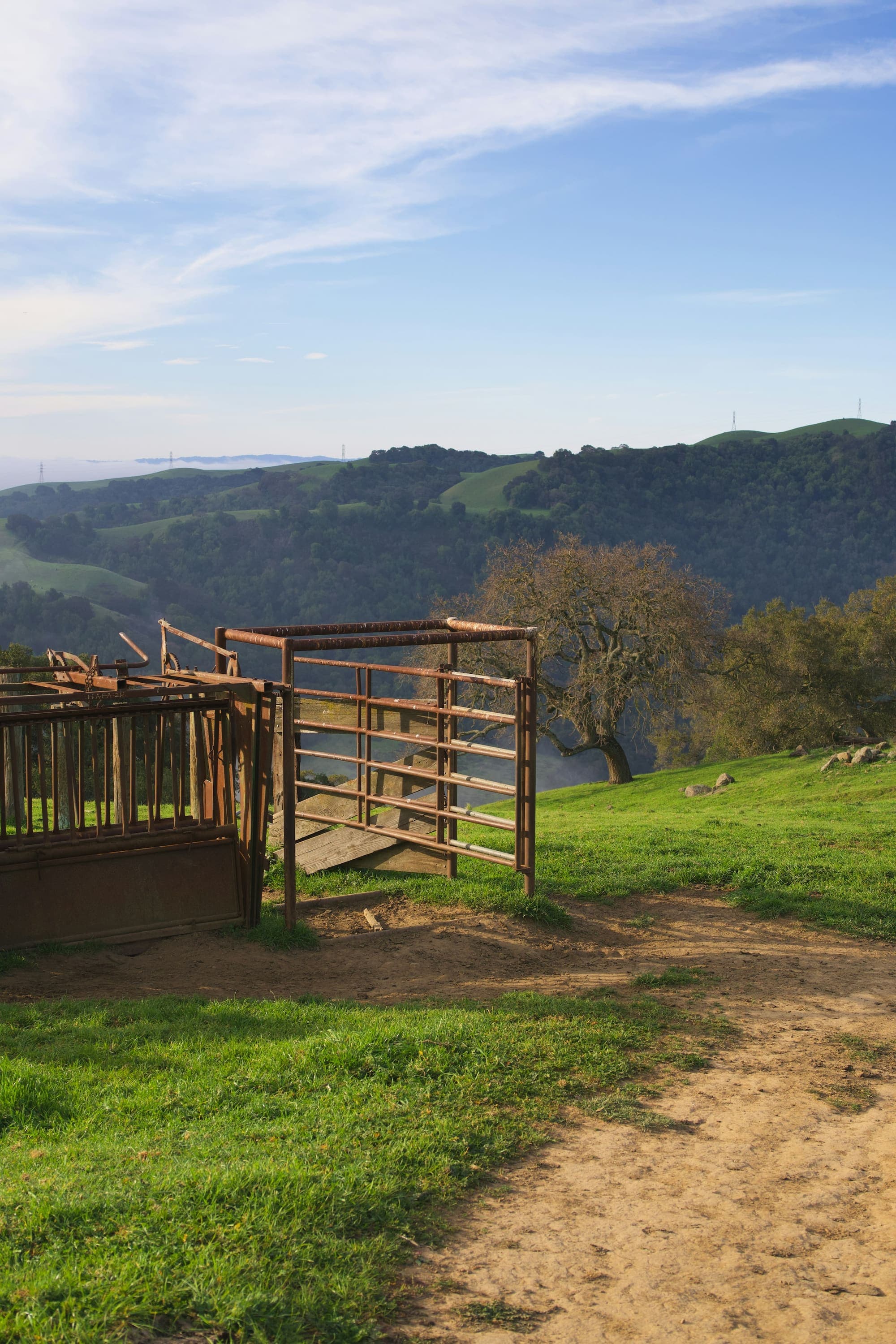
Hidden Valley is the rural valley west of Lake Sherwood — equestrian-zoned, multi-acre minimums, and almost entirely without through-traffic. The valley floor is open pasture and oak savanna; the perimeter is ridgeline. Most parcels have horse facilities, and the road network was designed to discourage anything other than residents and their guests. It is the most exclusive submarket in the Conejo Valley, and arguably the most rural luxury enclave in greater Los Angeles.
Who lives here
Hidden Valley is predominantly a trophy-tier estate market. The housing stock is large-acreage compounds, working ranches, and equestrian properties; the entry tier sits in the Three Springs subdivision on the valley's eastern shoulder, while the western-end ranches represent the top of the market. Buyers typically already own a primary residence elsewhere and are acquiring Hidden Valley as either a secondary compound or a transition to rural primary residence. Long-tenured family ownership is common.
What to know
Three things. First, zoning is genuinely rural — most parcels carry minimum lot sizes of two to ten acres with equestrian-keeping rights, and any subdivision or commercial use is heavily restricted. Buyers planning short-term rentals, event use, or accessory commercial activity should confirm with the county before close. Second, water is parcel-specific: many estates rely on private wells and septic, and well capacity, water-quality testing, and septic system review should be standalone items in the inspection package. Third, fire risk is significant — Hidden Valley sits in a high-fire-severity zone with limited evacuation routes; insurance underwriting has tightened materially, and the California FAIR Plan plus a wraparound is now the common solution.
Market character
Hidden Valley is one of the slowest-velocity luxury submarkets in Southern California by design. Active inventory is typically under ten parcels, and trophy listings can sit for a year or more without the seller adjusting. The off-market percentage is high — a meaningful share of trades happen between agents who know the parcel and the family. Time-on-market is a poor signal of demand here; the buyer pool is small, sophisticated, and patient on both sides of the trade.
Nothing listed in Hidden Valley right now.
I don’t have an active listing in Hidden Valley at the moment. Off-market work and pre-MLS introductions happen here regularly — if you’re considering buying or selling, we can start with a conversation.
Begin a conversation→Common questions.
Can I run a working horse operation on a Hidden Valley parcel?
Most parcels are zoned for residential equestrian use, which covers private horse-keeping, training facilities for the property's own horses, and limited boarding. A genuine commercial boarding or training operation usually requires county-level conditional-use permitting and may face neighbor objections. The threshold between private and commercial use is worth getting in writing with the county before close.
What's the difference between Three Springs and the western-end ranches?
Three Springs is the entry tier — a subdivision of one-to-two-acre custom-home parcels on the eastern shoulder of the valley, gated and with a more conventional residential feel. The western-end ranches are the trophy tier — five to fifty-acre parcels, working horse facilities, and significantly more privacy. The price gap between the two tiers is substantial and reflects genuinely different products rather than different addresses for the same product.
Is fire insurance still available in Hidden Valley?
Available but increasingly through the California FAIR Plan plus a private wraparound rather than a single admitted-carrier policy. Premiums on multi-million-dollar estates routinely run $30,000–$80,000 annually and have been climbing. Several major carriers have stopped writing new business in the highest-risk Hidden Valley zones. Buyers should confirm an insurable structure during escrow, not after; an uninsurable estate is a financing problem and a resale problem.