
Permits, then numbers, then photos.
The short-term rental market in coastal Ventura County is defined by permits, not by listing photos. Cities have caps. Permits are sometimes transferable and sometimes not. Mid-term-rental positioning — thirty-plus-day stays, often corporate housing — is a different analytical exercise from STR. The revenue math has to start with what the local jurisdiction allows, not with what the property's potential is on paper.
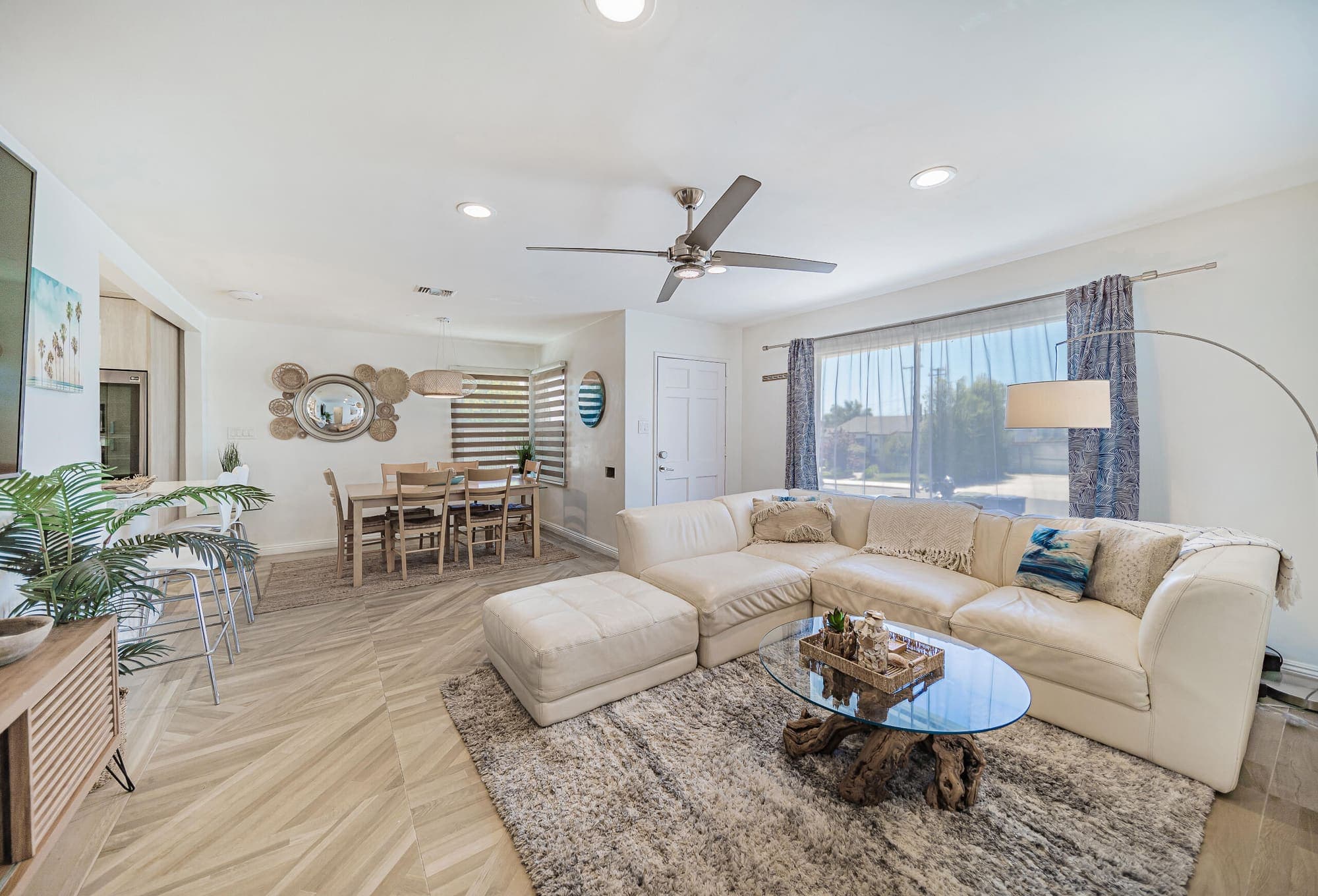
An STR-investment engagement starts with permit research. Does the city in question even allow new STR permits at this address? Are existing permits transferable? What does the historical revenue verification look like? What's the realistic regulatory horizon? From there I build a revenue model that distinguishes between STR (nightly rate, occupancy seasonality, regulatory risk) and MTR (monthly rate, lower turnover cost, demand from traveling professionals, corporate-relocation tenants, and families displaced from their homes by fire, flood, or other loss), and project net yield under each. For acquisition: I source properties with existing transferable permits where possible — they trade at a meaningful premium, but the alternative (waitlist, denial risk) usually isn't worth the savings. For sellers: positioning the property's STR cash flow correctly is what attracts the right buyer pool and supports the list price. The advisory work above sits on the brokerage side of my practice. Separately — and distinct from real-estate representation — I also operate a hospitality business, Lifeline Stays, that provides furnished 30+ day housing across the same coastal coverage area. Running it gives me operator-level visibility into MTR demand, insurance-displacement housing patterns, and what actually keeps a property occupied — useful context for the underwriting work, but a separate engagement when an owner wants operational support.
Investors evaluating STR or MTR product as an asset class. Second-home buyers considering whether to offset cost via short-term rental. STR operators looking to acquire additional inventory or sell existing operations. The Ventura coastal corridor (Pierpont, Ventura beach blocks, Carpinteria-adjacent) is the primary STR submarket; Ojai and the Conejo Valley have meaningful MTR demand from medical-tourism, business travelers, and remote-work transients.

How the work goes.
Permit research. Does the city allow STR at this address? Is an existing permit transferable? What's the historical revenue?
Revenue modeling. STR vs. MTR positioning, occupancy assumptions, net yield after all operational and regulatory costs.
Acquisition. Where possible, target properties with existing transferable permits to remove regulatory risk.
Positioning + close. Standard escrow with a permit-transfer contingency built in.
About this engagement.
Should I buy in a city with a permit cap, or one without?
Cap cities (Ventura among them) tend to have higher net STR yields because supply is regulated; they also have transfer risk and waitlists. Cap-free cities have more pricing competition but less regulatory risk. The right choice depends on your hold horizon and risk tolerance — both can work.
Is mid-term rental more durable than STR?
More durable on regulation, lower on yield. MTR doesn't trigger most municipal STR ordinances, attracts more stable tenants (relocating professionals, traveling medical personnel), and has lower turnover costs. The trade-off is that monthly rate is materially lower than blended-nightly STR rate. For risk-averse investors, MTR often wins on a risk-adjusted basis.
How accurate are AirDNA / similar platform estimates?
Useful for benchmarking, not for underwriting. Platform estimates work from public booking data and tend to overstate revenue for a specific listing in a specific microclimate. I underwrite from actual permit-history filings (where available) and from operator-verified financials provided in escrow.
Weighing an STR purchase? Permits first, then numbers — start with a conversation.
Replies are typically within 24 hours or less. For best results, please call or text us.